kolkha laundry products




The Ultimate Waxing Guide
3/31/20262 min read
How to Extend Your Flatwork Ironer’s Lifespan: The Ultimate Waxing Guide
Introduction
In industrial laundries, hotels, and hospitals, the flatwork ironer (cylinder ironer) is the heart of the finishing department. If it stops, production stops. To keep high-quality textiles moving smoothly without friction, static electricity, or damage, one maintenance routine stands above all: proper and regular waxing.
Without correct lubrication, your ironer’s chest suffers from friction, your chest padding wears out prematurely, and your linens can easily get stained or ruined. Here is everything you need to know about professional flatwork ironer waxing.
1. Why is Ironer Waxing Non-Negotiable?
Ironer wax (typically high-temperature resistant formula) is not just a lubricant; it’s a protective barrier. When applied correctly using a dedicated wax cloth (lubricating aid), it performs three critical functions:
Reduces Friction: It allows sheets and table linens to glide effortlessly between the roll and the heated chest.
Eliminates Static Build-Up: Friction generates static electricity, especially on polyester-blend linens. Proper waxing neutralizes this, preventing linens from wrapping around the rolls.
Prevents Clean-Up Stains: A well-waxed chest prevents starch and chemical residues from burning and baking onto the metal surface.
2. Step-by-Step: How to Apply Flatwork Ironer Wax Correctly
To avoid staining your padding or linens, you must follow a strict, professional procedure:
Choose the Right Temperature: Ensure your ironer is at its operating temperature (typically between 160°C and 180°C, depending on the wax specification). Cold chests will not melt the wax properly, leading to dangerous lumps.
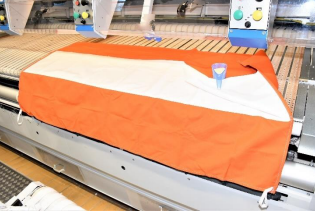
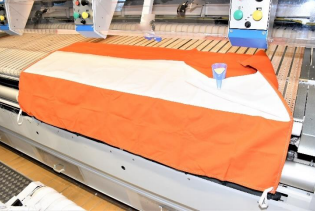
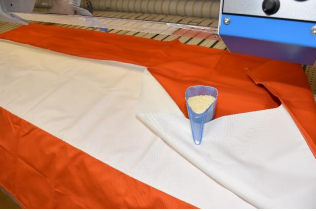
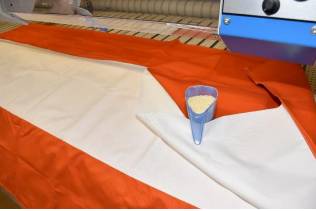
Use a Premium Wax Cloth: Never pour wax directly onto the chest or rolls! Sprinkle the high-temperature ironer wax evenly into the pouch/pocket of a professional waxing cloth.
Feed the Cloth: Feed the waxing cloth into the ironer with the wax-side facing the heated chest (metal surface), NOT the felt padding.
Follow with a Cleaning Cloth: Immediately after passing the wax cloth, feed a dry, clean cotton cloth through the machine to buff the chest and remove any excess, melted wax.
Pro Tip: Always apply wax across the full width of the ironer. If you only wax the center, the outer edges of the chest will develop friction burns and destroy your ironer belts much faster!
3. How Often Should You Wax?
The frequency depends entirely on your shift intensity and the type of textiles you process:
Heavy Shifts (24/7 Operations): Every 4 to 8 hours of continuous operation.
Standard Shifts: Once at the start of the morning shift, and once during mid-day maintenance.
Starch Users: If your laundry processes heavily starched table linens (for premium hotels and restaurants), you must wax more frequently, as starch builds up friction rapidly.
Conclusion
Investing a few minutes into proper flatwork ironer maintenance saves thousands of dollars in premature ironer belt replacements, ruined linen claims, and unexpected downtime.
At Kolkha Laundry Products, we provide premium, high-temperature ironer waxes, durable wax cloths, and high-performance ironer belts designed to withstand the toughest industrial conditions. Keep your ironer smooth, keep your production moving!
Reach out for tailored B2B laundry solutions.
E-mail: info@kolkha.com
Phone: +995 551 34 44 73
მნიშვნელოვანი ინფორმაცია
ჩვენ ვართ ახალი კომპანია ბაზარზე და ამჟამად განვითარების და ორგანიზაციული სტრუქტურის ჩამოყალიბების პროცესში ვიმყოფებით.
ამ გარდამავალ პერიოდში შეგიძლიათ ნებისმიერი შეკითხვა, წინადადება ან შეკვეთა მოგვწეროთ WhatsApp-ის საშუალებით ან ელექტრონული ფოსტით.
ჩვენი გუნდი მზად არის სწრაფად გიპასუხოთ და დაგეხმაროთ საჭირო ინფორმაციის მიღებაში.
მადლობას გიხდით ნდობისა და თანამშრომლობისთვის.