kolkha laundry products




Flatwork Ironer clothing Selection: Hidden Costs and Their Impact on Efficiency
3/31/20263 мин чтение
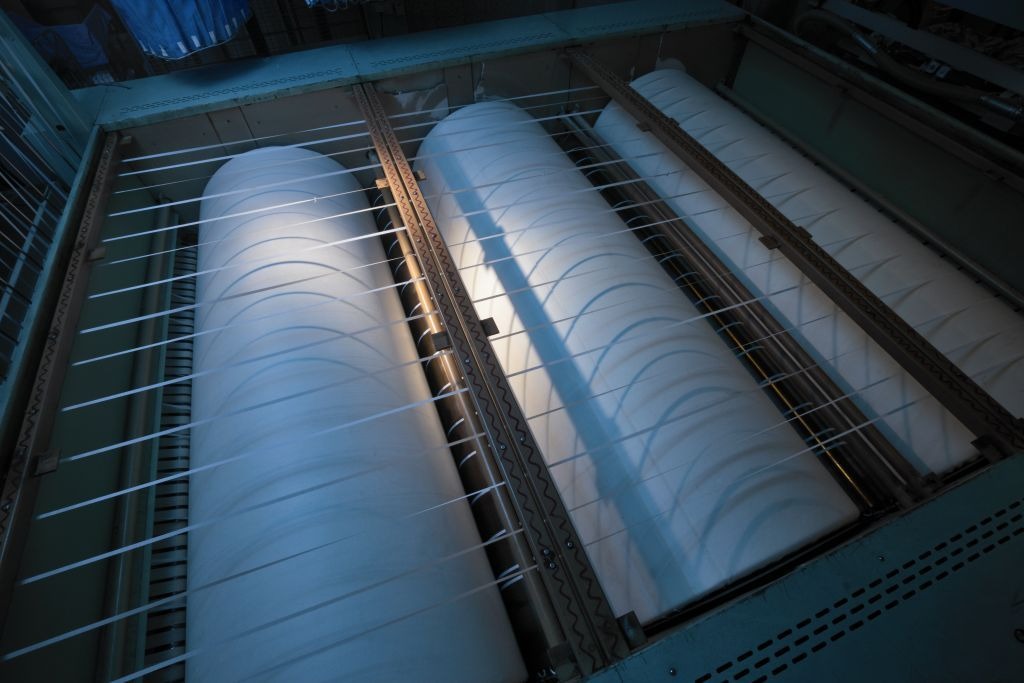
Flatwork Ironer clothing Selection: Hidden Costs, Performance Factors, and How to Choose the Right One
In industrial laundry operations, flatwork ironer clothing are often treated as a routine consumable.
In reality, they play a critical role in heat transfer, moisture removal, ironing quality, and even machine lifespan.
Choosing the wrong clothing doesn’t just affect finishing quality—it can quietly increase energy costs, reduce productivity, and create long-term mechanical stress.
1. Fiber Structure: The Real Driver of Heat Transfer
When evaluating a clothing, material labels such as Nomex or polyester only tell part of the story.
What truly determines performance is:
fiber density
needling structure
internal construction
These factors control how efficiently heat moves from the cylinder into the textile.
If the structure is poorly designed, heat can remain trapped near the surface instead of penetrating the linen. In practice, this may result in:
higher energy demand
slower drying
inconsistent finishing quality
Durability is equally important. Weak or unstable fibers can degrade under constant friction, leading to fiber shedding and surface defects on textiles.
👉 Why this matters:
Better heat transfer directly improves throughput and reduces unnecessary energy load.
2. Moisture Evacuation: The Most Overlooked Factor
Flatwork ironing is fundamentally an evaporation process.
When damp linen enters a cylinder operating around 140–180°C, moisture rapidly turns into vapor. That vapor must escape efficiently.
If the felt structure restricts airflow:
steam becomes trapped
linens may come out damp
water spotting can occur
reprocessing rates may increase
High air permeability is especially important in modern machines equipped with vacuum systems.
👉 Why this matters:
Poor moisture evacuation doesn’t just slow production—it can double handling time due to re-ironing.
3. Compatibility with Spring Systems
In ironers using systems similar to Lapauw or Jensen designs, felt selection becomes more sensitive.
The felt must distribute pressure evenly across the working surface. If thickness or compressibility is not appropriate:
pressure becomes uneven
springs may fatigue prematurely
felt wear accelerates
Over time, this can lead to avoidable mechanical issues.
👉 Why this matters:
A mismatched felt can increase maintenance costs and machine downtime.
4. Chemical Resistance: The Hidden Wear Factor
Felts are continuously exposed to:
heat
friction
chemical residues from washing processes
Alkaline residues or chlorine traces—especially when rinsing is not optimal—can accelerate degradation at high temperatures.
Lower-quality felts may:
harden prematurely
lose flexibility
become brittle
👉 Why this matters:
Chemical exposure is often the reason felts fail earlier than expected, not just mechanical wear.
5. Installation and Tensioning: Where Performance Is Won or Lost
Even a high-performance felt will underperform if installed incorrectly.
Key factors include:
correct tension
alignment
controlled break-in process
If the felt is too loose:
ripples and tracking issues can occur
If it is too tight:
excessive stress is placed on bearings and mechanical components
The first operating hours are also critical. Improper heat and tension management during this phase can significantly reduce service life.
👉 Why this matters:
Installation quality can have as much impact as the felt itself.
Standard vs High-Performance Felts
ParameterStandard FeltsHigh-Performance FeltsOperational ImpactUnit WeightLowerHigher densityImproved stability and lifespanHeat ResistanceModerateHigh (e.g. aramid blends)Better performance at high temperaturesSurface TextureRougherSmooth, denseReduced textile shine and markingAir PermeabilityLimitedHighFaster drying and more stable output
Total Cost of Ownership: Looking Beyond Purchase Price
Felt selection should not be based on purchase price alone.
A lower-cost felt may:
require more energy to achieve the same drying result
reduce ironing speed
wear out faster
increase the risk of reprocessing
A higher-quality felt, while more expensive upfront, may improve operational efficiency and consistency over time.
For example, in a facility processing large volumes daily, even small improvements in drying efficiency or speed can translate into measurable savings in:
labor hours
energy consumption
machine utilization
Final Thought
Flatwork ironer felts are not just consumables—they are performance components.
Understanding how fiber structure, airflow, chemical resistance, and installation interact can help prevent hidden costs and improve overall ironing efficiency.
Making a more informed choice at this level often leads to better results across the entire laundry process.